✈️ This Month's Featured Aircraft
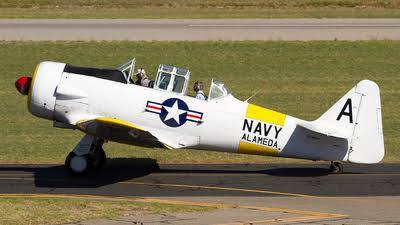
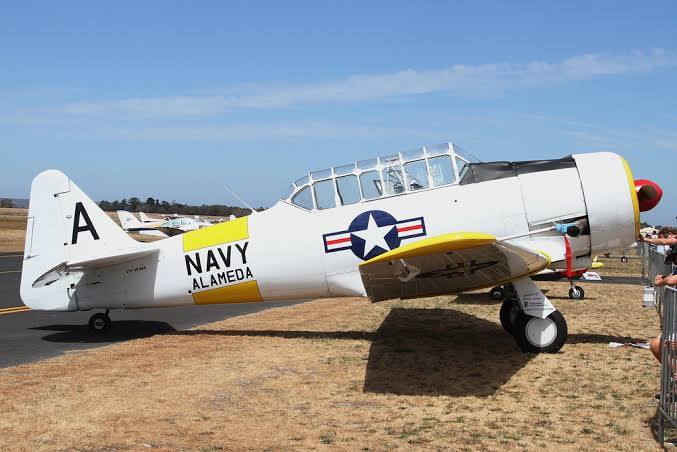
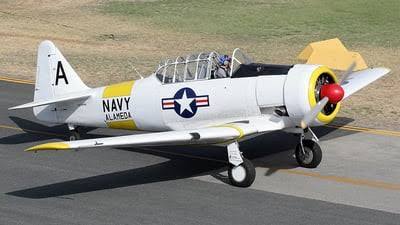
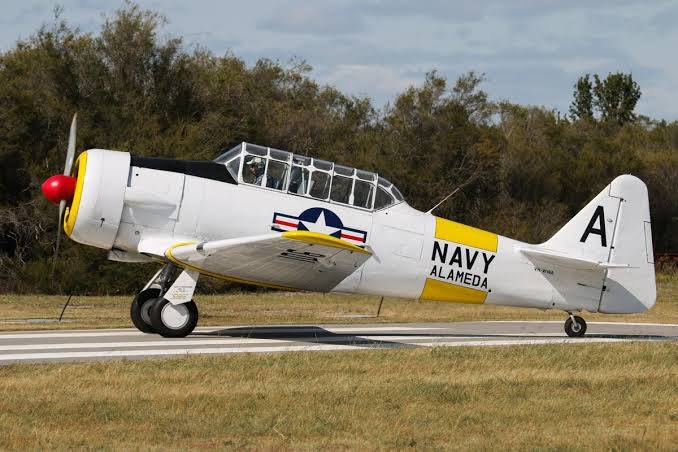
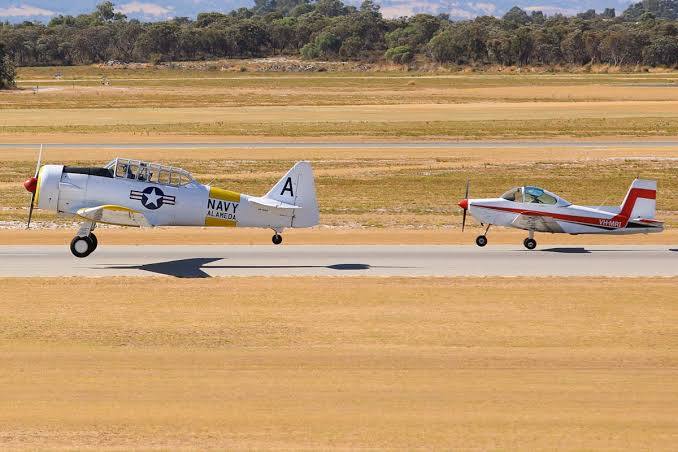
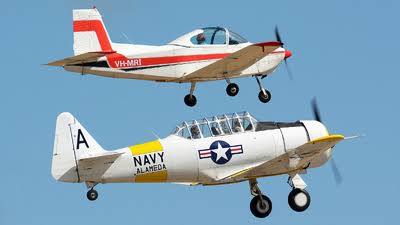
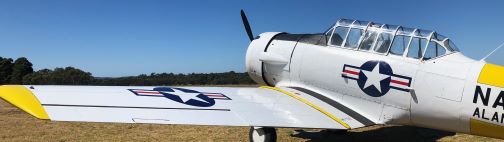
North American Texan AT-6D. VH-WWA Serial Number 78-7094
Introduction
The North American AT-6D Texan is a definitive variant of the legendary T-6 Texan family—widely regarded as the "Pilot Maker". It served as the ultimate stepping stone for hundreds of thousands of Allied pilots during and after World War II, preparing them to fly high-performance fighter aircraft like the P-51 Mustang and P-47 Thunderbolt
The lineage of the Texan dates back to North American Aviation's NA-16 prototype, first flown on April 1, 1935. While earlier iterations (like the AT-6A and plastic/wood-substituted AT-6C) laid the groundwork, the AT-6D was introduced in July 1943 to standardise the platform for full-scale wartime production.
Wartime Production & Nicknames
Because of unified Allied training pipelines, the aircraft was built in massive quantities and carried different designations depending on who flew it:
* Designated by the United States Army Air Forces (USAAF).SNJ-5:
* Designated by the United States Navy, which received 1,987 AT-6Ds directly or via transfer.Harvard III:
* Designated by the British Commonwealth (RAF, RCAF, RAAF), which took delivery of over 900 AT-6Ds.
Mission Statement for the Texan
* Counter-Insurgency: The French Air Force, Portuguese Air Force, and British forces deployed armed Texans for counter-insurgency operations globally through the 1950s and 1960s, notably during the Mau Mau uprising in Africa.
* Post-War Rebuilds: In 1948, the US military dropped the "Advanced Trainer" prefix, redesignating the fleet simply as the T-6D. Between 1949 and 1953, hundreds of remaining D-models were remanufactured with updated frames and steerable tailwheels to become the T-6G.
📸 Featured Aircraft Gallery